How to Attend and Participate in Boucherville Municipal Council Meetings
What happens at Boucherville city council meetings — and why your voice belongs there
Did you know that fewer than 2% of Boucherville's 43,000 residents typically attend municipal council meetings? That's not because people don't care about their community — it's because most of us aren't quite sure how the process works, when to show up, or whether our input actually matters. The reality is that Boucherville's municipal council meets twice monthly at the Hôtel de Ville on Chemin du Lac, and these sessions are where decisions about our streets, parks, taxes, and services take shape. Whether you're concerned about traffic on Boulevard de Mortagne, curious about new development near the Vieux-Village, or simply want to understand how our local democracy functions, showing up is easier than you might think.
I've spent enough time in the gallery seats to know that council meetings aren't just for politicians and activists. They're for anyone who pays property taxes, uses our parks, drives our roads, or cares about what Boucherville looks like in five years. The format is straightforward, the rules are manageable, and your perspective — yes, yours — can influence how council members vote on issues that affect our daily lives. This guide walks you through exactly how to attend, when to speak, and how to make your participation count.
When and where do Boucherville council meetings take place?
Boucherville's municipal council meets on the first and third Tuesday of each month, starting at 7:00 PM. Meetings are held in the Salle du Conseil at the Hôtel de Ville, located at 1900, Chemin du Lac. The building sits near Parc national des Îles-de-Boucherville — you can't miss the modern architecture with its distinctive civic presence. Parking is free in the municipal lot, and the space is accessible for residents with mobility needs.
The city's official website publishes the agenda approximately one week before each meeting. This document outlines every item up for discussion, from zoning changes and infrastructure contracts to public consultations and bylaw amendments. Reading the agenda beforehand isn't required, but it helps you understand what's happening and whether any items affect your neighbourhood specifically. If you live near Rue Saint-Louis or the booming sector around Autoroute 20, there's a good chance development proposals will touch on areas you know intimately.
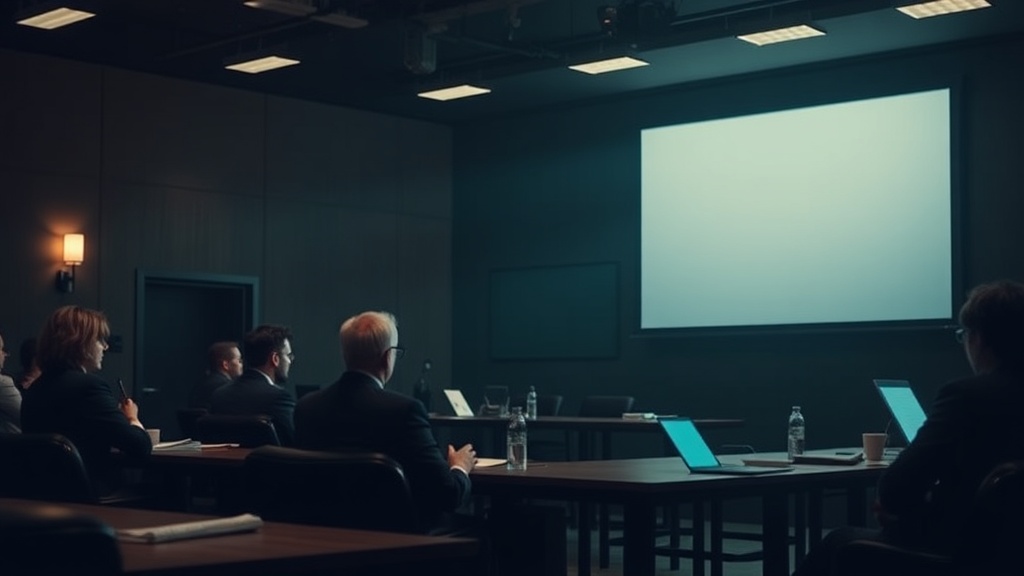
Meetings typically run two to three hours, though contentious issues can extend the session. You're free to arrive late or leave early — there's no obligation to stay for the entire proceedings. Many regular attendees drop in just for specific agenda items that interest them. The atmosphere is formal but not intimidating; council members sit at a raised dais, staff present reports from a central podium, and residents occupy rows of seating facing the council table.
How can Boucherville residents speak during public consultations?
Here's where many of us get stuck — we want to participate but aren't sure about the protocol. Boucherville uses a structured public consultation process that gives residents a voice on specific matters. When an agenda item includes a "consultation publique" designation, registered residents can address council directly. Registration happens at the beginning of the meeting — simply approach the clerk's table, provide your name and address, and indicate which agenda item you'd like to speak about.
Each speaker receives five minutes at the microphone. That's not much time, which means preparation matters. Write down your main points beforehand. Stick to the specific agenda item rather than airing general grievances. Be respectful — council members are our neighbours making difficult decisions, even when we disagree with their conclusions. And bring copies of any documents or visuals you'd like to reference; there are typically three minutes of technical setup before your speaking slot begins.
Not every agenda item includes public consultation. Routine administrative matters, contract approvals, and procedural votes usually proceed without resident input. However, anything involving significant spending, zoning changes, or new bylaws typically opens the floor to Boucherville citizens. Recent examples have included debates over the expansion of the Bibliothèque Marie-Uguay, modifications to parking regulations in Vieux-Boucherville, and the ongoing development discussions surrounding the former industrial lands near the Saint-Laurent River.
What should you know before your first meeting?
First-timers often worry about procedural confusion or saying the wrong thing. Don't — council staff are genuinely helpful and will guide you through the process. Arrive about fifteen minutes early to get oriented, find parking, and review the posted agenda if you haven't checked it online. Bring a notebook; you'll want to jot down questions as they arise, and the pace moves faster than you'd expect.
Dress code is business casual — nothing fancy required, but beachwear or workout clothes would feel out of place. The room temperature fluctuates, so layers are wise. Coffee and water aren't provided, though you can bring a sealed bottle. Phones should be silenced, and recording the meeting is permitted as long as you don't disrupt proceedings.
Language won't be a barrier. Boucherville operates in French, but council members and staff generally accommodate English speakers. You can submit written comments in either language, and simultaneous translation services are available upon request if you contact the clerk's office at least 48 hours before the meeting. The city genuinely wants participation from all residents, regardless of linguistic background.
Consider connecting with existing community groups before attending solo. The Association du Vieux-Boucherville often mobilizes residents for meetings affecting heritage preservation. Neighbourhood associations across sectors like La Rivièraie and La Seigneurie track development proposals and coordinate speaking points. Joining these conversations beforehand sharpens your understanding and amplifies your impact.
How do you follow up after attending a meeting?
Showing up is just the beginning. Council meetings generate minutes that are posted online within approximately ten days — sometimes sooner for urgent matters. These official records document motions, votes, and any commitments made during discussion. Reviewing them helps you track whether council followed through on promises or if additional pressure is needed.
Contacting your district councillor directly often proves more productive than speaking during the general session. Boucherville is divided into electoral districts, each represented by a specific councillor who handles constituent concerns between meetings. Find your representative through the city's council directory. Email responses typically arrive within a few business days, and many councillors hold informal office hours at local cafés or community spaces.
For issues requiring sustained attention, consider delegating to council — a more formal presentation option that grants extended speaking time and places your concerns permanently in the official record. Delegations require advance scheduling through the clerk's office and usually involve groups rather than individuals. If traffic safety on your street has become a neighbourhood-wide concern, gathering signatures and requesting delegation status carries more weight than individual comments.
Boucherville's municipal democracy works best when residents treat it as an ongoing conversation rather than a one-time appearance. The same faces appear meeting after meeting not because they're professional activists, but because they've learned that consistent presence builds relationships with decision-makers. Your first meeting might feel unfamiliar, but by your third, you'll recognize the rhythms, understand the personalities, and know exactly when to lean in and listen versus when to stand up and speak.
Our community faces real challenges — housing affordability, infrastructure maintenance, environmental stewardship along the river corridor, and balancing growth with heritage preservation. These aren't abstract policy debates; they're decisions about the Boucherville our children will inherit. The council chamber at the Hôtel de Ville isn't some distant government building — it's our building, funded by our taxes, designed for our participation. The empty seats in the gallery represent missed opportunities for our collective voice to shape the city's direction.