How to Get Around Boucherville Without a Car: A Local's Transit Guide

Is it really possible to live in Boucherville without driving everywhere?
If you've ever sat in traffic on Boulevard de Montarville wondering whether there's a better way — or if you're trying to cut down on gas costs — you're not alone. Plenty of us in Boucherville are looking for alternatives to hopping in the car for every errand. The good news? Our city has more options than most people realize. From the RTL bus network to the expanding bike paths and even the seasonal river shuttle, getting around Boucherville without a car isn't just possible — it's getting easier every year.
Here's the reality: Boucherville was built with cars in mind. We're a suburban community on the South Shore, and most of us grew up assuming a vehicle was non-negotiable. But that's changing. With environmental concerns front and centre (and let's be honest — parking at Place Vertu isn't getting any cheaper), more Boucherville residents are exploring what our public transit and active transportation infrastructure actually offers. This guide breaks down your practical options — the ones that actually work for daily life here.
What's the best way to use RTL buses in Boucherville?
The Réseau de transport de Longueuil (RTL) serves Boucherville with several routes that connect our neighbourhoods to the Longueuil–Université-de-Sherbrooke metro station — your gateway to Montreal and the rest of the South Shore. If you haven't checked the RTL website lately, you might be surprised by the service improvements. Routes 15, 31, and 32 cover the core of Boucherville, with stops along Boulevard de Montarville, Chemin du Lac, and throughout the residential sectors.
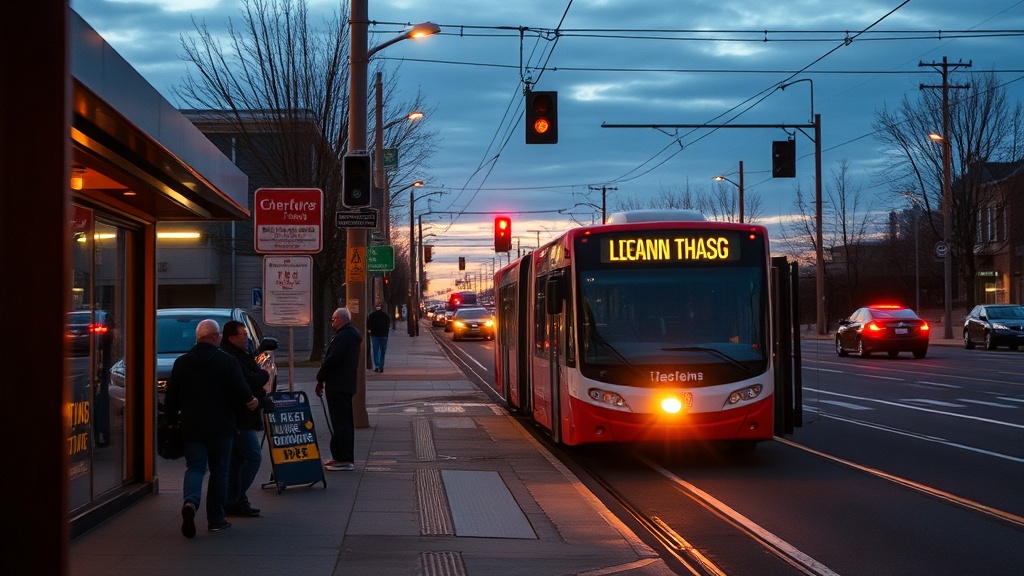
The key to making RTL work for you is understanding the schedules — and planning around them. Peak hours see buses every 15-20 minutes on major routes, but mid-day service can stretch to 30-45 minutes. That's not ideal for spontaneous trips, but it's perfectly workable if you're commuting to work or heading to appointments with a bit of foresight. The RTL mobile app is genuinely useful — real-time tracking means you're not standing at the stop wondering if you missed your ride. Pro tip from someone who's learned the hard way: the sheltered stop outside the Centre Multisports de Boucherville is one of the most reliable boarding points, with digital displays showing arrival times.
Fare-wise, an OPUS card is your best bet. You can load monthly passes (currently around $100) or individual tickets at the Boucherville service point located in the Édifice Marie-Victorin on Boulevard de Montarville. If you're only occasional transit user, consider the occasional fare — it's cheaper than cash and works across the STM, RTL, and other regional networks. Students and seniors get significant discounts, and the RTL offers a reduced fare program for low-income residents that's worth investigating if cost is a barrier.
Where can you walk or cycle safely in Boucherville?
Boucherville's trail network doesn't get the attention it deserves. The Route Verte — Quebec's provincial cycling network — runs right through our city, following the St. Lawrence River and connecting us to Sainte-Julie, Varennes, and beyond. If you haven't cycled the Parc national des Îles-de-Boucherville path, you're missing one of the most scenic rides in the region. It's flat, well-paved, and offers views of the river and wildlife that'll make you forget you're minutes from suburbia.
For everyday commuting, the city has been gradually adding bike lanes along major arteries. Boulevard de Montarville now has dedicated cycling infrastructure between the highway and the commercial district — not perfect, but usable. The residential streets in Vieux-Boucherville are particularly bike-friendly, with lower speed limits and calmer traffic. If you're cycling to the Marché de Boucherville on weekends (and you should — it's one of our community's gems), there's secure bike parking near the main entrance.
Walking as transportation works best in the older parts of town. Vieux-Boucherville's grid layout means you can actually stroll to the pharmacy, the dépanneur, and your favourite café without feeling like you're on a hiking expedition. The newer subdivisions — let's be honest — weren't designed for pedestrians. Distances are longer, sidewalks are intermittent, and crossing Boulevard Marie-Victorin on foot requires the confidence of a committed urbanite. That said, the city is working on pedestrian improvements, with new crosswalks and traffic calming measures planned for several residential sectors.
Does the river shuttle actually help Boucherville residents get around?
Here's something many locals don't know: Cyclo-navette fluviale operates a seasonal river shuttle between Boucherville, Montreal's Old Port, and Longueuil. From roughly June through September, you can catch the boat at the dock near Parc national des Îles-de-Boucherville and be in downtown Montreal in about 45 minutes — no traffic, no tunnel, no stress. It's not a daily commuter solution (schedules are limited and weather-dependent), but for weekend outings or occasional trips to the city centre, it's a genuinely pleasant alternative.
The shuttle accepts your RTL pass or OPUS card, which makes it an easy add-on to transit trips. Bikes are allowed onboard, so you can cycle to the dock, take the boat, and explore Montreal's waterfront paths without worrying about where to park. Check the Traversiers Québec website for current schedules — they vary by season and day of week.
What about car-sharing and other options?
For those times when you genuinely need a vehicle — hauling garden supplies from Rona, doing a big grocery run, or visiting family in Saint-Hyacinthe — car-sharing fills the gap. Communauto has several vehicles stationed around Boucherville, including locations near the Centre Multisports and in the commercial area near Boulevard de Montarville and Highway 20. Membership is affordable (around $10/month plus usage fees), and you can book by the hour through their app. It's significantly cheaper than owning a car if you only drive a few times per month.
Taxis and ride-sharing services operate throughout Boucherville, though wait times can be longer than in Montreal — especially during rush hour when drivers are tied up with airport runs. If you're scheduling a medical appointment or catching a train, book in advance. Uber and Lyft both serve our area, and local taxi companies like Taxi Brossard offer reliable service with knowledgeable drivers who actually know the back routes through our residential streets.
How do I plan a car-free day in Boucherville?
Let's put this together into something practical. A typical car-free Saturday might look like this: breakfast at home, then a morning bike ride along the St. Lawrence through Parc national des Îles-de-Boucherville (annual passes are affordable for Quebec residents — check the Sépaq website). Stop at the Marché de Boucherville for fresh produce and lunch from one of the food vendors. Afternoon? Take the RTL to Place Longueuil for errands, or walk through Vieux-Boucherville to browse the boutiques along Rue Notre-Dame. Evening plans in Montreal? The river shuttle gets you there with time to spare for dinner reservations.
The infrastructure isn't perfect — we're still a suburban community figuring out how to accommodate alternatives to car dependence. But between the RTL network, our expanding bike paths, seasonal river access, and car-sharing for occasional needs, living in Boucherville without a daily driving habit is more viable than our car-centric reputation suggests. Start with one car-free day per week. Experiment with combining transit and cycling. Talk to your neighbours — some of the best tips (like which RTL drivers are most reliable, or the fastest bike route to Longueuil metro) come from community knowledge, not official maps.
"The best transportation plan is the one you'll actually use. Don't force yourself into a rigid car-free ideology — find the mix of walking, cycling, transit, and occasional car-sharing that works for your actual life in Boucherville."