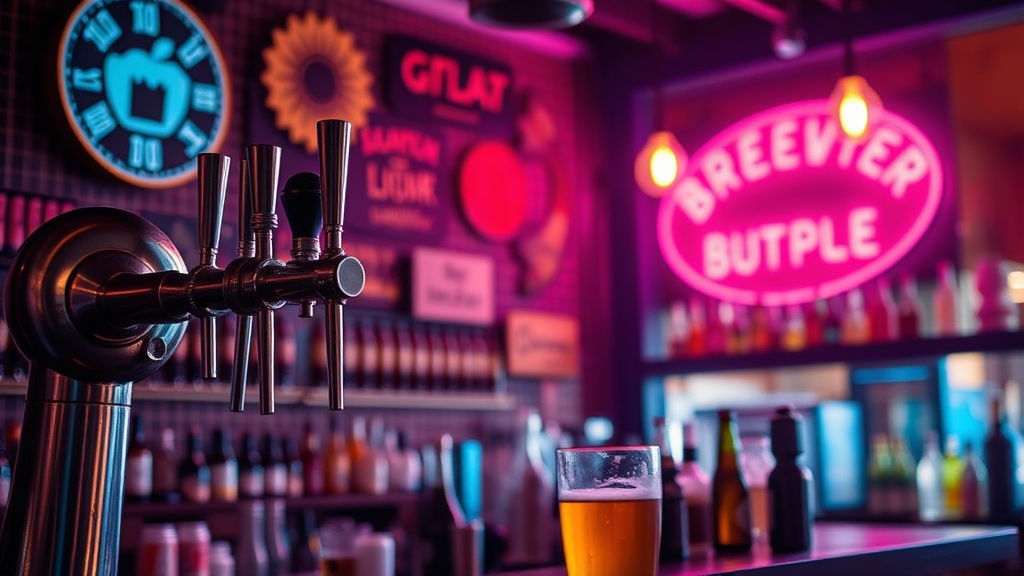
Picking the Best Local Microbreweries to Visit

Most people assume that finding a great craft beer requires a long drive to Montreal or a trip to a specialized bottle shop. That's a mistake. You don't need to travel far to find high-quality, small-batch brews; the South Shore and the surrounding Quebec area are currently seeing a massive surge in microbrewery quality that rivals any major urban center. This guide breaks down how to identify quality, what to look for in local styles, and how to build a perfect brewery tour around our region.
Finding the right beer isn't just about picking a label that looks cool. It's about understanding what the brewery is actually trying to do with their ingredients and their fermentation process.
How Do I Identify a High-Quality Microbrewery?
You identify a high-quality microbrewery by looking for consistency in their core lineup and a clear passion for specific beer styles. A great brewery doesn't just make everything; they usually excel at a specific niche—be it IPAs, sours, or traditional ales—and they stick to it.
When you walk into a local taproom, look at the tap list. Is it constantly changing? That's fine for a small shop, but if the quality fluctuates wildly, it might mean their quality control isn't quite there yet. A professional-grade brewery will have a "flagship" beer that tastes exactly the same every time you visit. This shows they've mastered their equipment and their water chemistry.
Check the technical details on the menu. Does the brewery list the specific hops used? Do they mention the grain bill? If they do, it's a sign they aren't hiding behind generic descriptions. Real brewers love talking about the details. They'll tell you they used Citra or Mosaic hops, or perhaps a specific type of Belgian malt. If the menu is vague, move on.
Another way to tell is by looking at their food pairing options. While some breweries just serve pretzels, the better ones have a curated menu that respects the beer. If a brewery offers a sharp cheddar or a specific smoked meat that complements a heavy stout, they've clearly thought about the full sensory experience.
The Three Pillars of Local Beer Quality
- Consistency: The ability to replicate a flavor profile across different batches.
- Transparency: Being open about ingredients and the brewing process.
- Innovation: Using seasonal ingredients (like local Quebec honey or berries) to create something unique.
What Styles Should I Look For in Quebec Microbreweries?
You should look for styles that highlight Quebec's unique access to seasonal ingredients, such as fruit-forward sours, heavy stouts, and crisp pilsners.
Quebec has a very specific "vibe" when it comes to craft beer. We have a deep tradition of heavy, malty ales, but we've also become world leaders in the "sour" scene. If you're visiting a local taproom, don't be afraid to ask for a fruit sour. Many breweries here use local berries or even apple juice from nearby orchards to create incredibly refreshing, tart beers that are perfect for a summer afternoon.
Here is a quick breakdown of what to expect from common styles you'll find in our local area:
| Beer Style | Flavor Profile | Best Paired With |
|---|---|---|
| IPA (India Pale Ale) | Bitter, citrus, piney | Spicy foods or heavy burgers |
| Stout/Porter | Chocolate, coffee, roasted | Dessert or smoked meats |
| Sour Ale | Tart, fruity, acidic | Salads or light seafood |
| Pilsner/Lager | Crisp, clean, bready | Almost any casual meal |
If you want to understand the technical side of how these beers are actually made—the science of fermentation and hops—the Wikipedia page on brewing is actually a very dense, helpful resource. It explains why certain yeasts produce certain flavors, which can help you understand why one brewery's IPA tastes "punchy" while another's is "smooth."
How Much Does a Brewery Visit Cost?
A typical brewery visit will cost between $7 and $12 per pint, depending on whether you are drinking a standard lager or a specialized seasonal barrel-aged sour.
It's important to realize that prices vary significantly based on the complexity of the beer. A standard lager is usually the most affordable option. However, if you're looking for a "Barrel-Aged" stout or a highly specialized "Limited Release" sour, expect to pay a premium. These are often more expensive because the production time is much longer—sometimes months or even years.
Many local spots also offer "flights." A flight is a selection of smaller pours (usually 4 to 5 glasses) that allow you to taste a variety of styles for a set price. This is almost always the smartest way to spend your money if you're visiting a new place. It's a low-risk way to find what you actually like without committing to a full pint of something you might hate.
Don't forget to check if the brewery has a food program. Some places have full kitchens, while others are "BYOF" (Bring Your Own Food). If you're planning a trip, it's worth checking their website or social media first. It's a bit of a bummer to arrive at a great taproom only to realize you can't eat anything there (unless you brought your own snacks).
Planning Your Route
- Pick a starting point: Start with a lighter beer (like a Pilsner) to prime your palate.
- Check the hours: Many microbreweries have odd hours or close early on Mondays and Tuesdays.
- Use a ride-share: If you're doing a multi-stop tour, don't drive. It's safer and lets you actually enjoy the tasting experience.
- Ask the bartender: They are the real experts. Ask them, "What is the most unique thing you're pouring right now?"
If you enjoy exploring local flavors, you might also enjoy finding the best seasonal produce at our local markets. The same logic applies: seasonality dictates quality. Just as a peach tastes better in August, a seasonal fruit ale tastes better when the fruit is actually in season.
When you're out and about, remember that the best beer isn't always the most expensive one. Sometimes, the simplest, most well-made lager is the most impressive thing on the menu. A brewery that can make a perfect, crisp lager is a brewery that respects the fundamentals. It's easy to hide behind a lot of hops and fruit, but it's much harder to make a clean, balanced classic. Look for that skill, and you'll find the best spots in the South Shore.
The beer scene in Quebec is changing fast. New breweries are opening every year, and the competition is getting much tighter. This is great news for us because it means the quality is constantly being pushed higher. Whether you want a heavy, comforting drink on a cold evening or something bright and acidic for a sunny afternoon, there is a local brewery nearby that has perfected that-specific feeling.
One thing to keep in mind is that many of these small businesses rely heavily on their taproom sales. While buying a six-pack to go is great, the real way to support them is to actually sit down, enjoy a pint, and experience the atmosphere they've built. That's where the real magic happens.
Steps
- 1
Research Local Taprooms
- 2
Order a Tasting Flight
- 3
Pair Beer with Local Snacks
- 4
Respect the Brewmasters